

Braces are an effective solution for aligning teeth and improving your smile, but they also require special care to maintain oral health. If you have braces or are considering them, understanding how to keep your teeth and gums healthy during treatment is essential. This guide will provide you with practical tips and strategies to ensure that your journey to a perfect smile doesn’t compromise your oral hygiene.
Understanding the Importance of Oral Health with Braces
Maintaining oral health with braces is crucial for several reasons:
- Prevention of Tooth Decay: Braces can trap food particles and make it harder to clean your teeth thoroughly. This increases the risk of cavities and tooth decay.
- Gum Health: Poor oral hygiene can lead to gum disease, which can cause inflammation, bleeding, and long-term damage to your gums.
- Avoiding Stains and Discoloration: Food and bacteria can accumulate around the brackets, leading to stains that may remain even after the braces are removed.
- Comfort and Success of Treatment: Good oral care ensures that your treatment progresses smoothly, minimizing discomfort and avoiding any complications.
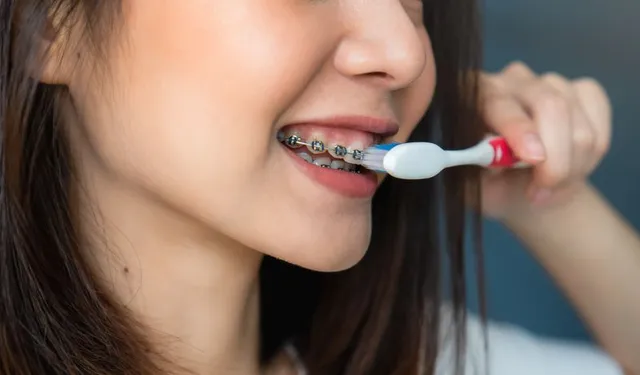
Daily Oral Hygiene Routine with Braces
Adopting a thorough daily oral hygiene routine is the cornerstone of maintaining oral health with braces. Here’s a step-by-step guide:
1. Brushing
- Choose the Right Toothbrush: Use a soft-bristled toothbrush or an electric toothbrush with a special orthodontic head. A toothbrush with a smaller head can easily reach around the braces.
- Brush After Every Meal: Brushing after each meal helps to remove food particles that get trapped in the braces. If brushing immediately after eating isn’t possible, rinse your mouth with water to dislodge any food.
- Use Proper Technique: Hold your toothbrush at a 45-degree angle to your gums. Brush above and below the brackets, making sure to clean the top, bottom, and sides of each bracket. Pay extra attention to the gumline to prevent plaque buildup.
2. Flossing
- Use Floss Threaders: Flossing with braces can be challenging, but it’s essential. A floss threader helps you get the floss under the archwire to clean between your teeth.
- Interdental Brushes: These small, conical brushes are perfect for cleaning between the braces and under the wires. They can help remove food particles and plaque that regular brushing might miss.
3. Mouthwash
- Antibacterial Mouthwash: Rinse with an antibacterial mouthwash daily to help reduce plaque and prevent gum disease.
- Fluoride Mouthwash: Using a fluoride mouthwash can help strengthen the enamel and prevent cavities. Swish it around your mouth for about a minute after brushing and flossing.
Foods to Avoid with Braces
Your diet plays a significant role in maintaining oral health with braces. Certain foods can damage your braces or increase the risk of decay. Here’s what to avoid:
- Sticky Foods: Foods like caramel, taffy, and chewing gum can stick to your braces and are difficult to clean off.
- Hard Foods: Nuts, hard candies, and raw vegetables like carrots and apples can break the wires or dislodge brackets.
- Sugary Snacks: Sugary foods and drinks can lead to plaque buildup around the braces, increasing the risk of cavities and staining.
- Chewy Foods: Bagels, licorice, and other chewy foods can pull at your braces and cause discomfort.
What to Eat with Braces
While some foods should be avoided, there are plenty of braces-friendly options that are easy to eat and won’t harm your orthodontic appliances:
- Soft Fruits: Bananas, berries, and sliced apples are great choices.
- Dairy Products: Cheese, yogurt, and milk are excellent for your teeth and easy to eat with braces.
- Cooked Vegetables: Steamed or roasted vegetables are softer and less likely to damage braces.
- Proteins: Soft-cooked meats, tofu, and scrambled eggs are safe and nutritious options.
Common Oral Health Issues with Braces and How to Prevent Them
Even with the best care, certain oral health issues can arise when you have braces. Here’s how to address them:
1. Plaque Buildup
- Signs: A sticky film on your teeth that can lead to cavities and gum disease.
- Prevention: Brush and floss regularly, and use an antimicrobial mouthwash to reduce bacteria.
2. Gum Inflammation
- Signs: Red, swollen, and bleeding gums.
- Prevention: Proper brushing and flossing, along with regular dental cleanings, can keep your gums healthy.
3. Tooth Decay
- Signs: White spots on the teeth, sensitivity, and cavities.
- Prevention: Limit sugary foods and drinks, brush with fluoride toothpaste, and visit your tandimplantat stockholm
4. Bad Breath
- Signs: Persistent bad odor from the mouth.
- Prevention: Good oral hygiene, including brushing your tongue, can prevent bad breath. Also, stay hydrated and avoid foods that cause strong odors.
Regular Dental Visits and Professional Cleanings
Regular visits to your dentist and orthodontist are crucial when you have braces. These visits allow for:
- Monitoring Progress: Your orthodontist will check the alignment of your teeth and make necessary adjustments to your braces.
- Professional Cleanings: A dental hygienist can clean areas that are difficult to reach with braces, helping to prevent plaque buildup and gum disease.
- Early Detection of Issues: Regular check-ups ensure that any potential problems, such as tooth decay or gum disease, are caught early and treated promptly.
Special Considerations for Different Types of Braces
Different types of braces require specific care:
1. Traditional Metal Braces
- Care Tips: Be extra diligent with brushing and flossing. Consider using a water flosser for easier cleaning around the metal brackets.
2. Ceramic Braces
- Care Tips: These are more prone to staining, so avoid foods and drinks that can discolor the brackets, like coffee, tea, and red wine.
3. Lingual Braces
- Care Tips: These braces are placed on the back of the teeth, making them harder to clean. Pay extra attention to your brushing and flossing routine.
4. Invisalign
- Care Tips: Since Invisalign trays are removable, maintain your regular brushing and flossing routine. Clean the trays daily to prevent bacteria buildup.
Dealing with Braces Emergencies
While uncommon, emergencies can happen with braces. Here’s how to handle common issues:
- Loose Bracket: If a bracket becomes loose, cover it with orthodontic wax and contact your orthodontist.
- Poking Wire: If a wire is poking into your cheek or gums, use a pencil eraser or the back of a spoon to gently push it back. Orthodontic wax can also be used to cover the sharp end.
- Lost Spacer: Spacers sometimes fall out. Contact your orthodontist to determine if it needs to be replaced.
The Road to a Beautiful Smile
Maintaining oral health with braces may require extra effort, but the results are well worth it. By following a consistent oral hygiene routine, making smart dietary choices, and visiting your dentist regularly, you can keep your teeth and gums healthy throughout your orthodontic treatment. Remember, the more diligent you are with your oral care, the more beautiful and healthy your smile will be once the braces come off
