

Key Highlights
- Spider veins often indicate underlying venous insufficiency requiring medical attention beyond cosmetic concerns.
- Symptoms like leg heaviness, cramping, and swelling suggest progression to more serious vascular conditions.
- Early consultation with a vascular surgeon in Singapore prevents complications, including blood clots and ulceration.
- Treatment options range from minimally invasive procedures to lifestyle modifications, depending on severity.
Introduction
The thin red or purple lines sprawling across your legs might seem like nothing more than an aesthetic nuisance. Many people dismiss spider veins as an inevitable part of ageing or something that only affects appearance. This widespread misconception prevents individuals from seeking proper evaluation when these visible vessels could be signalling deeper vascular problems that warrant professional attention.
What Spider Veins Actually Represent
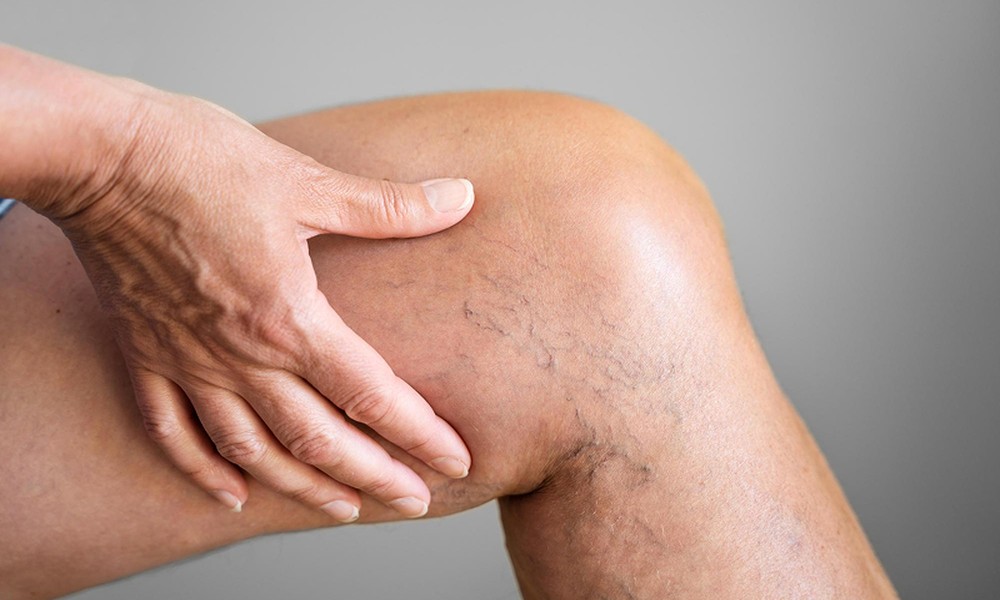
Spider veins develop when tiny blood vessels near the skin’s surface dilate and become visible. The web-like patterns appear most commonly on legs and thighs, though they can emerge on the face and other body areas. Whilst some cases remain purely superficial, many indicate compromised valve function within your venous system.
Your veins contain one-way valves that push blood back towards your heart against gravity. When these valves weaken or malfunction, blood pools in the vessels and creates pressure that forces smaller capillaries to expand and become visible as spider veins. A vascular surgeon in Singapore can determine whether your spider veins exist independently or stem from underlying venous insufficiency that requires intervention.
When Spider Veins Signal Serious Health Concerns
The appearance of spider veins alongside specific symptoms transforms them from cosmetic issues into medical conditions requiring evaluation. Persistent leg heaviness at the end of the day suggests your circulatory system struggles to return blood efficiently. Nighttime cramping that disrupts sleep or swelling around the ankles indicates fluid accumulation from poor venous drainage.
Skin changes around affected areas deserve immediate attention. Discolouration, particularly brownish staining near the ankles, develops when blood components leak into surrounding tissue. Itching or burning sensations over spider vein clusters can progress to skin breakdown if left unaddressed. These warning signs mean your body needs more than topical creams or compression stockings purchased online.
Seeking spider vein treatment in Singapore becomes crucial when you notice progression. New clusters appearing rapidly or existing veins becoming more prominent suggest worsening valve dysfunction. Ignoring these changes allows the condition to advance, potentially leading to varicose veins, chronic venous insufficiency, or even venous ulcers that resist healing.
Risk Factors That Elevate Medical Significance
Genetics play a substantial role in vein health. If your parents developed venous problems, your spider veins carry a higher likelihood of progressing to more serious conditions. Pregnancy introduces additional risk as hormonal changes relax vein walls, whilst increased blood volume strains the circulatory system. Multiple pregnancies compound this effect.
Occupations requiring prolonged standing or sitting impair blood flow and accelerate vein deterioration. Teachers, retail workers, office employees, and healthcare professionals face elevated risk from occupational factors alone. Obesity adds pressure on leg veins, whilst hormonal medications, including certain contraceptives, weaken vessel walls over time.
Age-related changes reduce vein elasticity and valve efficiency, making spider veins more likely to indicate underlying problems in older adults. A vascular surgeon in Singapore assesses these risk factors alongside your symptoms to determine appropriate intervention levels.
Available Treatment Approaches and Their Medical Benefits
Sclerotherapy remains the gold standard for spider vein treatment in Singapore when medical necessity exists. The procedure involves injecting a solution that causes treated vessels to collapse and fade over subsequent weeks. Beyond cosmetic improvement, sclerotherapy reduces pressure on surrounding veins and can alleviate symptoms like aching and heaviness.
Laser therapy offers an alternative for smaller veins or individuals unsuitable for sclerotherapy. The focused light energy damages vessel walls, prompting your body to reabsorb them naturally. Both treatments require minimal downtime and can be performed during lunch breaks, though multiple sessions typically achieve optimal results.
More extensive venous insufficiency demands addressing the source rather than just visible symptoms. Procedures like endovenous ablation treat faulty valves in larger feeder veins that contribute to spider vein development. Correcting underlying problems prevents new spider veins from forming and resolves associated discomfort.
Conservative management through compression stockings, leg elevation, and exercise modifications benefits mild cases or serves as a complement to procedural interventions. These measures improve circulation and slow progression but rarely eliminate existing spider veins without additional treatment.
Making the Decision to Seek Professional Evaluation
Waiting until spider veins cause significant discomfort before consulting specialists allows preventable complications to develop. Early assessment identifies whether your visible veins represent isolated cosmetic concerns or symptoms of progressive vascular disease. Diagnostic ultrasound performed during consultations maps blood flow patterns and reveals valve dysfunction invisible to the naked eye.
Treatment outcomes improve dramatically when intervention occurs before advanced venous damage establishes itself. Addressing spider veins at early stages requires less invasive procedures and reduces the likelihood of recurrence. The investment in proper evaluation pays dividends through preserved vein health and prevents complications that become exponentially more difficult to manage.
Conclusion
Spider veins deserve medical evaluation beyond their cosmetic impact. The visible vessels often reflect underlying venous problems that worsen without proper intervention, leading to complications that affect both health and quality of life.
Don’t let uncertainty keep you from understanding what your spider veins mean for your overall health. Contact UNITAS Surgical Clinic Singapore to schedule a comprehensive evaluation with an experienced vascular surgeon in Singapore.
