

Losing an organ is one serious monkey-wrench to your digestive system. Your liver still produces bile (that’s not changed), but without your gallbladder to store it and release it on cue, what you have now is a continuous, low-level drip of fluid straight into your intestines. Your diet must change because your body can no longer store a giant pool of bile and dump it all at once to digest fat without very bad stomach distress.
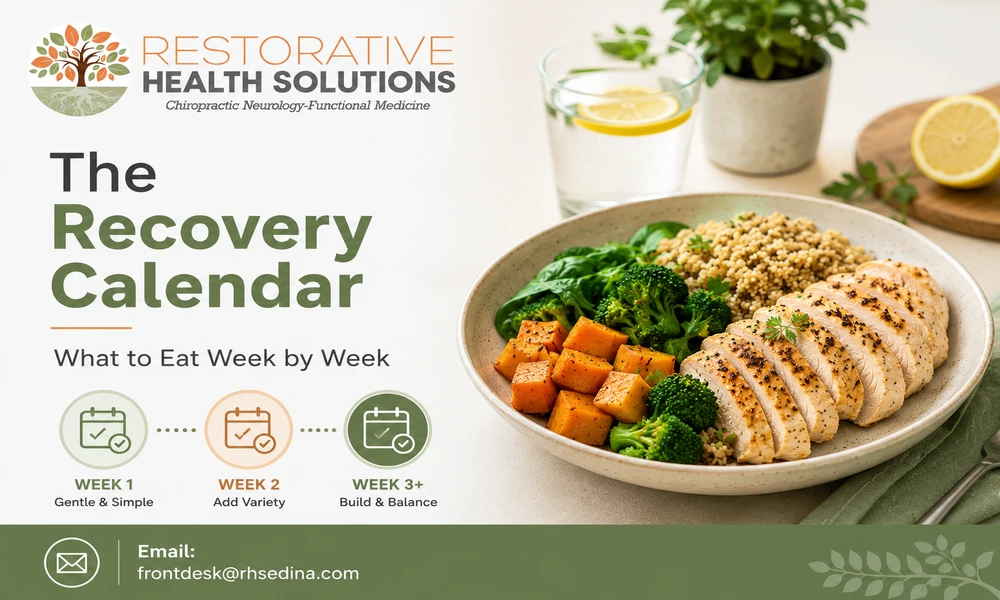
The simplest method for managing your diet after gallbladder removal is to break your restoration down into phases. This is a step by step timeline for your belly from the day of surgery till it feels normal again.
Phase 1: Day 1 to Day 7 (The Rest Phase)
The closer you are to the surgery date, the most days active and better healed your body has managed at that time (at best); during the first week itself, it consists of your body brimming with shredded internal swelling & anesthesia effects. Your digestive system is really delicate and you must give it a breather from the same strenuous work.
- The Menu: Only consume clear broths, plain gelatin, applesauce, and soda crackers.
- The Strategy: Do not make yourself eat heavy meals. Have a few mouthfuls of bland food every two hours to keep the system turning over without overburdening it either.
Phase 2: Weeks 2-4 (The Light Introduction)
When the body starts healing, you can start extending your grocery list. But during this period, you need to ensure that your fat consumption is extremely low. Your liver is still evolving and now has a new delivery mechanism.
Add Soft Proteins
Add skin-off chicken breast, given in white fish such as cod and silk tofu. They provide your muscles with the protein required to heal your surgical incisions without causing cramping.
Bring in Soluble Fiber
Soluble fiber soaks up additional water in your gut, which helps firm stool. First, begin incorporating some additional small servings into your daily menu of oatmeal bowls, baked sweet potatoes, and white rice. Stay clear of uncooked, crunchy veggies for now as they bring big gasoline. Let your veggies really soften up.
Phase 3: Month Two and Later (The Test Phase)
By the second month your intestines are probably used to the incessant dribble of bile. It is now time for testing, to discover your limits and how much you can handle.
- Add Healthy Fats: Incorporate a few quarter avocados or 1 teaspoon olive oil in a dish. Even wait a few hours to see if the bloated feeling comes back.
- Maintain a Record: Record your eating habits. Cross it off your list if a certain food suddenly prompts an expedition to the bathroom and give it in a few weeks.
Your Final Goal
The best course of action during this phase is to wait; patience is your number-one tool. Not everybody heals at the same speed. Structuring your diet after gallbladder removal according to this steady interval gives your digestive tract the best chance of adjusting in a sustainable way so you will eventually be able to enjoy going back to restaurants without apprehension.
