

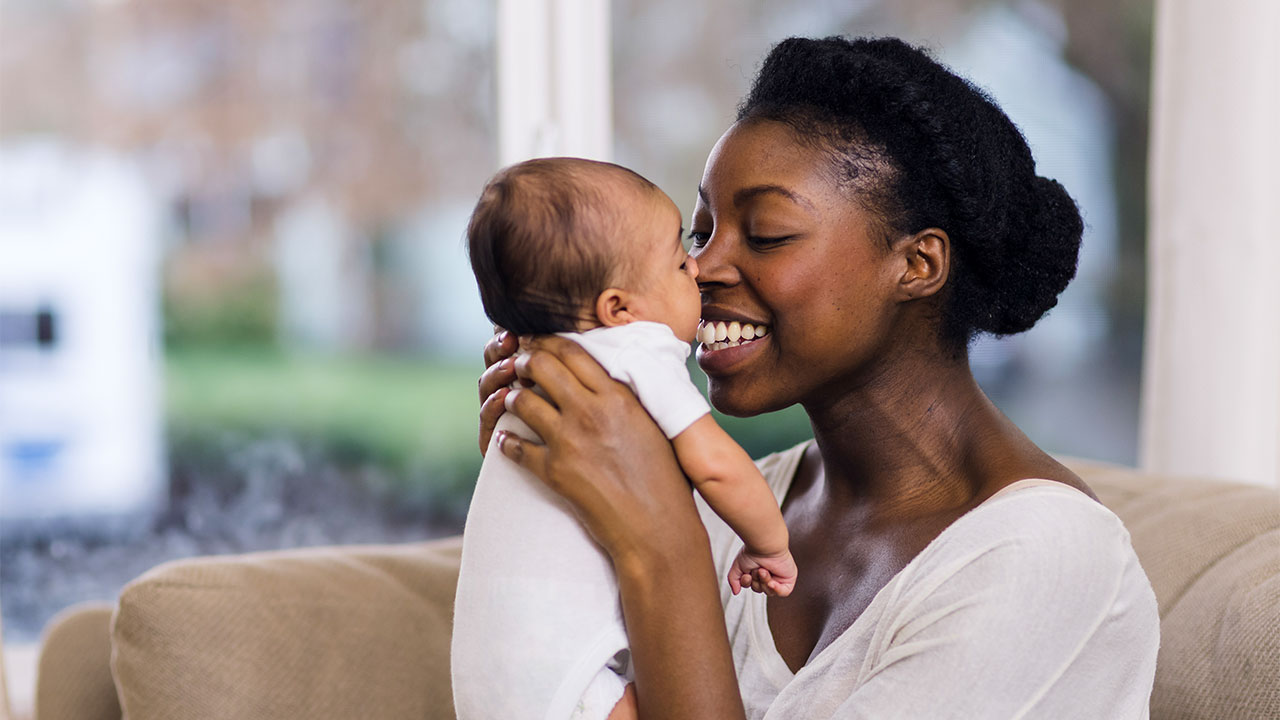
Play is an essential avenue for infants, supported by nourishment from infant formula, to learn and
develop vital skills such as movement, communication, socialisation, and understanding their
environment. In the first month of life, your baby begins to learn through interaction with you. One of the
initial learnings is to associate you with meeting their needs. Your touch, voice, and face become symbols of nourishment, warmth, and comfort.
Even at such a young age, babies are eager to explore and comprehend the world around them. Newborns exhibit a preference for gazing at your face and can recognize and respond to your voice or other intriguing sounds by displaying alertness and reduced activity. They may also engage in visual exploration to identify the source of a sound by looking in different directions.
At what stage is my baby prepared for play and learning?
In their initial month of life, newborns typically spend a significant amount of time sleeping or appearing drowsy. However, as the weeks and months progress, your baby will gradually spend more time awake and alert. It’s important for you to become familiar with the signs indicating when your baby is ready to engage in learning and play:
- A calm and attentive baby, showing interest in their surroundings, is ready to learn and play. Encourage them with smiles, soothing sounds, and gentle caresses.
- An active or fussy baby may have difficulty focusing and may be hungry, tired, or overstimulated, indicating that they may not be ready for learning and play.
How Can I Facilitate Learning for My Newborn?
During your newborn’s care routine, engage in conversation, smile, and interact with them. Pay attention to their cues and respond accordingly. Observe how your baby responds to your voice by making sounds in return. Take turns in communication, fostering their language development.
In the initial weeks, consider introducing simple and age-appropriate toys that stimulate their senses of sight, sound, and touch. These may include rattles, textured toys, musical toys, and unbreakable crib mirrors. Opt for toys and mobiles with contrasting colours and patterns. Bold contrasts, curves, and symmetry enhance visual development in infants. As their vision and motor skills improve, they will engage more actively with their surroundings.
How Can I Encourage Playfulness in My Newborn?
Here are some suggestions to promote learning and playfulness in your newborn:
- Engage in facial expressions such as smiling and sticking out your tongue, providing visual stimuli for your baby to observe, learn, and imitate.
- Introduce a favourite toy for your newborn to focus on and track, or use a rattle to capture their attention and encourage exploration.
- Allocate some awake time for your baby to lie on their tummy, aiding in the strengthening of their neck and shoulder muscles. Always supervise and be prepared to assist if they become tired or frustrated.
- Engage in frequent conversation and read to your baby, stimulating their auditory and language development.
- Play soothing music and gently sway with your baby, creating a calming sensory experience.
- Select a comforting song or lullaby and sing it softly to your baby on a regular basis. The familiar melody and lyrics can have a soothing effect, especially during moments of fussiness.
In conclusion, playing and learning are vital aspects of your newborn’s development. By engaging in interactive activities, providing stimulating toys, and responding to their cues, you can create a nurturing environment that promotes exploration and growth. As your baby grows and becomes more aware of their surroundings, their playtime will contribute to their physical, cognitive, and social development. Enjoy this special time with your little one as you embark on a journey of discovery and bonding through learning and play.
