

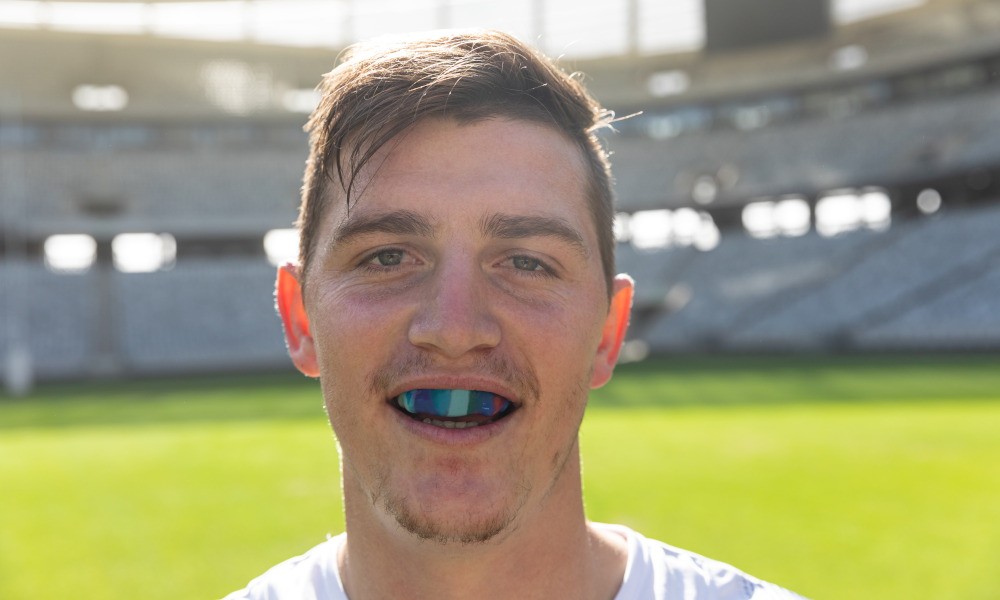
Sports are a great way to stay fit, enjoy camaraderie, and challenge oneself physically. However, amidst the thrill of competition, many athletes overlook a crucial aspect of their safety: protecting their teeth with a mouthguard. Whether you’re into high-impact sports like football and hockey or more recreational activities like cycling or basketball, wearing a mouthguard can prevent serious dental injuries and safeguard your overall oral health.
Understanding Mouthguards
A mouthguard is a flexible appliance typically made of plastic that fits snugly over your teeth. Its primary function is to absorb and distribute the forces generated by an impact to the face, minimizing the risk of injuries such as broken teeth, jaw fractures, and soft tissue damage. Mouthguards are particularly essential in contact sports where collisions are common, but they are also recommended for non-contact sports where accidental falls or collisions can occur.
Types of Mouthguards
There are several types of mouthguards available, each offering varying levels of protection and comfort:
- Stock Mouthguards: These are pre-formed and ready-to-wear, but they often provide limited protection and can be bulky and uncomfortable.
- Boil and Bite Mouthguards: These are softened in hot water and then molded to fit your teeth by biting down. They offer better fit and protection compared to stock mouthguards.
- Custom-Fitted Mouthguards: These are professionally made by dentists based on impressions such as braces green bay of your teeth. They provide the best fit, comfort, and protection, albeit at a higher cost.
Choosing the right mouthguard depends on factors such as the sport played, comfort preferences, and budget. However, any mouthguard is better than none when it comes to preventing dental injuries.
Preventing Dental Injuries
Dental injuries sustained during sports can be painful, expensive to treat, and may require ongoing dental care. Here’s how wearing a mouthguard can help prevent common dental injuries:
- Broken Teeth: A mouthguard cushions the teeth from direct blows, reducing the risk of fractures or avulsions (teeth getting knocked out).
- Soft Tissue Injuries: It covers sharp surfaces of teeth and braces, preventing cuts and bruises to the lips, tongue, and cheeks.
- Jaw Fractures: Mouthguards can help stabilize the jaw and prevent fractures during impacts.
Impact on Overall Health
Beyond dental protection, wearing a mouthguard can positively impact your overall health in several ways:
- Concussion Prevention: While not directly preventing concussions, studies suggest that mouthguards may reduce the risk of concussions by absorbing shock and stabilizing the head during impact.
- Improved Performance: A comfortable mouthguard allows athletes to breathe and communicate more easily, enhancing their focus and performance during sports.
Compliance and Comfort
One of the challenges athletes face with mouthguards is compliance. Many find them uncomfortable or obstructive, leading them to neglect wearing one during play. However, advancements in mouthguard technology have led to lighter, more breathable designs that prioritize comfort without compromising protection. Custom-fitted mouthguards, in particular, offer a superior fit that minimizes discomfort and maximizes protection.
Promoting Mouthguard Use
Coaches, parents, and sports organizations play a crucial role in promoting the use of mouthguards among athletes, especially at the youth and amateur levels. Emphasizing the importance of oral safety through education and making mouthguards mandatory in practice and competition can significantly reduce the incidence of dental injuries.
Conclusion
In conclusion, wearing a mouthguard during sports is not just a recommendation but a vital necessity for athletes of all ages and skill levels. It protects against dental injuries that can have lasting consequences, both physically and financially. By investing in a quality mouthguard and making it a non-negotiable part of your sports gear, you’re not only safeguarding your smile but also ensuring a safer and more enjoyable athletic experience. Prioritize your oral health today—your teeth will thank you later.
