

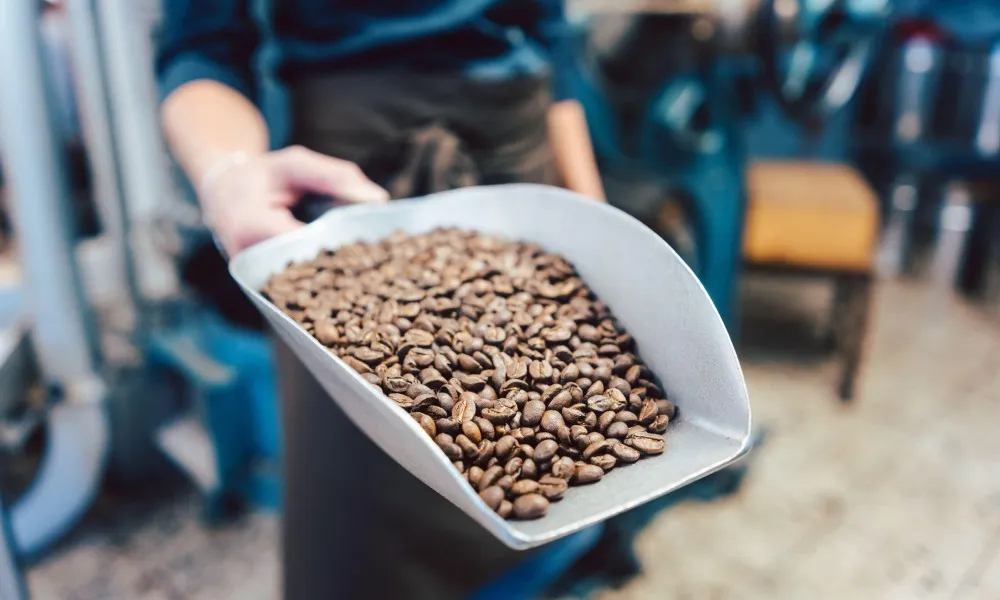
Coffee arabica produces approximately 60% of all coffee worldwide and differs from other species, such as Coffea canephora (Robusta), by several characteristics. Arabica naturally contains about half the caffeine of Robusta while offering a more complex flavor profile with pronounced acidity, subtle sweetness, and diverse aromatic compounds. With slower growth at higher altitudes, this species develops more intricate flavors.
The genetic complexity of Arabica contributes to its superior taste profile, with the species containing nearly twice the chromosomes of Robusta. This genetic diversity enables the expression of over 800 aromatic compounds and flavour precursors, creating the multidimensional tasting experience speciality coffee drinkers seek.
Organic cultivation advantage
Organic coffee cultivation prohibits synthetic pesticides, herbicides, and fertilizers, instead relying on natural approaches to soil fertility and pest management. This fundamental difference creates cascading effects throughout the coffee plant’s development:
- Natural fertilizers promote healthier soil microbiome diversity
- Slower nitrogen release encourages more balanced plant growth
- Absence of chemical residues allows for unaltered flavor compound development
- Diverse shade trees required for organic certification create microclimate advantages
These cultivation differences manifest in the cup through cleaner, more distinct flavor notes and often enhanced sweetness than conventionally grown counterparts.
Health benefits inherent to arabica
Even before considering organic certification, Arabica coffee offers several health advantages over other varieties. Its naturally lower caffeine content makes it more suitable for those sensitive to caffeine’s effects, while its higher concentration of chlorogenic acids. Natural antioxidant compounds contribute to coffee’s documented health benefits, including reduced inflammation and improved glucose metabolism.
Arabica contains 5.5-8% chlorogenic acids per weight, compared to 7-10% in Robusta. While Robusta presents higher percentages, many health researchers believe Arabica’s specific chlorogenic acid profile offers superior bioavailability and effectiveness.
How do organic methods enhance flavour development?
Organic cultivation practices significantly impact flavor development through multiple mechanisms. The absence of synthetic fertilizers prevents the rapid growth spurts that dilute flavour compounds, instead allowing more measured development of the complex sugars and acids that contribute to coffee’s most desirable characteristics.
The diverse shade canopy required for organic certification creates microclimate conditions that extend ripening time, allowing for more complete development of the fruit’s sugar content. This naturally slower maturation process permits the formation of more complex flavor precursors within the bean that translate to enhanced sweetness and acidity in the cup.
Reduced chemical exposure benefits
Some estimates suggest that up to 250 pounds of chemical fertilizers are used annually per acre in conventional coffee cultivation. The dense nature of coffee cherries means these compounds can persist through processing, with research detecting residues of multiple pesticides in conventionally grown beans.
Organic certification ensures coffee is grown without these synthetic inputs, eliminating potential exposure to compounds that some research has linked to endocrine disruption and other health concerns. For consumers prioritizing clean products with minimal chemical intervention, this represents a significant advantage.
Sustainability beyond certification
Beyond personal health benefits, choosing organic Arabica supports agricultural systems with significantly reduced environmental impact. Cultivation methods improve soil health, enhance biodiversity, reduce water pollution, and reduce synthetic fertilizer’s carbon footprint. Organic arabica coffee online is a thoughtful option supporting personal wellness and sustainable agriculture. It is a superior option for flavour and individual health and a more responsible consumer choice overall.
