

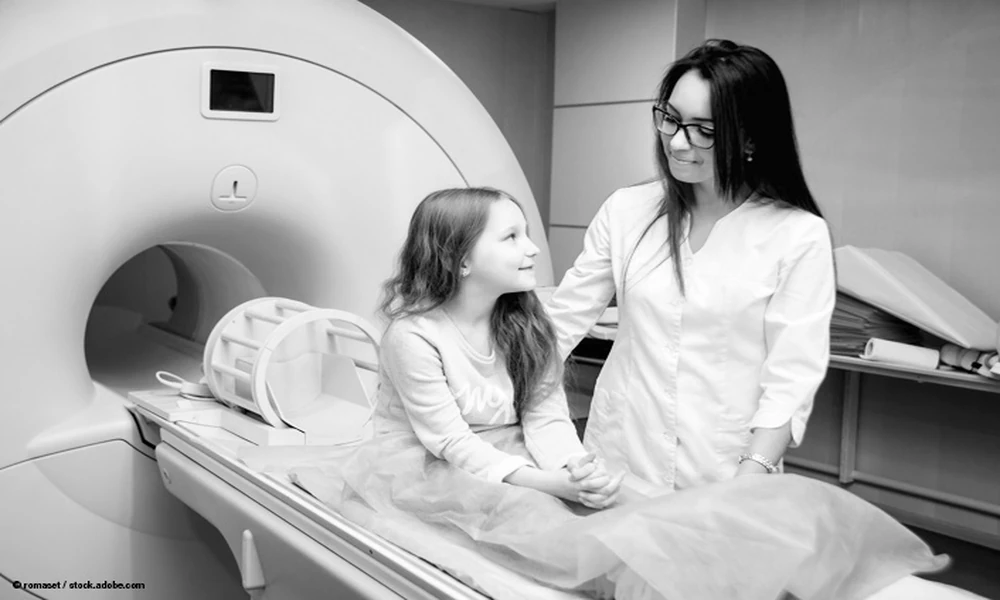
Many patients experience anxiety before and during an MRI scan. The thought of remaining inside a loud, enclosed machine for an extended period can feel intimidating, even for individuals who do not usually suffer from claustrophobia. For some patients, these feelings become even stronger when the examination takes place in an unfamiliar healthcare environment, such as a temporary imaging facility or a traveling medical center. In such situations, the role of an experienced MRI technologist becomes extremely important. As per Kasey McKillip, in addition to operating sophisticated imaging equipment, these professionals are responsible for creating an atmosphere that feels safe, reassuring, and supportive for every patient.
Kasey McKillip lists a few ways MRI technologists can help patients feel more comfortable
Magnetic Resonance Imaging or MRI is one of the most advanced and widely used diagnostic imaging techniques in modern medicine. It provides highly detailed images of the human body, helping doctors detect and evaluate a wide range of medical conditions. Despite its many benefits, the MRI process itself can be stressful for patients due to the loud sounds, restricted space, and need to remain motionless during the scan. Because of this, MRI technologists must recognize the importance of patient comfort and use effective strategies to reduce fear, stress, and discomfort throughout the procedure. Here are a few strategies they can follow:
- Communication and education: Before the scan begins, MRI technologists often take time to explain the procedure in detail, including what the patient can expect during the examination and approximately how long the process will take. Providing this information helps eliminate uncertainty and eases many common fears associated with MRI scans. Patients are encouraged to ask questions and express any concerns they may have so that they feel informed, supported, and reassured before entering the scanner.
- Environment and comfort: Creating a calm and welcoming environment is another important factor in improving the patient experience. MRI technologists often adjust room temperature and lighting to create a more relaxing atmosphere. A clean, organized, and comfortable imaging room can positively influence a patient’s emotional state. Additional comfort measures, such as allowing patients to listen to music, watch videos, or experience calming scents through aromatherapy, may also help distract them from the procedure and reduce feelings of anxiety.
- Pre-scan meditation techniques: MRI technologists may guide patients through simple breathing exercises, encouraging them to focus on slow, deep inhalations and controlled exhalations. Concentrating on breathing helps shift attention away from stress and creates a more peaceful mental state. This relaxation not only improves the patient’s experience but also contributes to smoother scanning and better image quality.
- Positioning and support: MRI technologists frequently use pillows, cushions, and supportive padding to help patients maintain a comfortable posture throughout the scan. Supporting the head, neck, arms, and legs can minimize physical discomfort and reduce the likelihood of movement during imaging. Technologists may also check on patients periodically during the procedure to ensure they remain comfortable and to make any necessary adjustments.
According to Kasey McKillip, every patient has different needs and comfort levels, MRI technologists often personalize their approach to care. Experienced MRI technologists rely on strong interpersonal and communication skills to understand how each individual prefers to be supported during the examination.
