

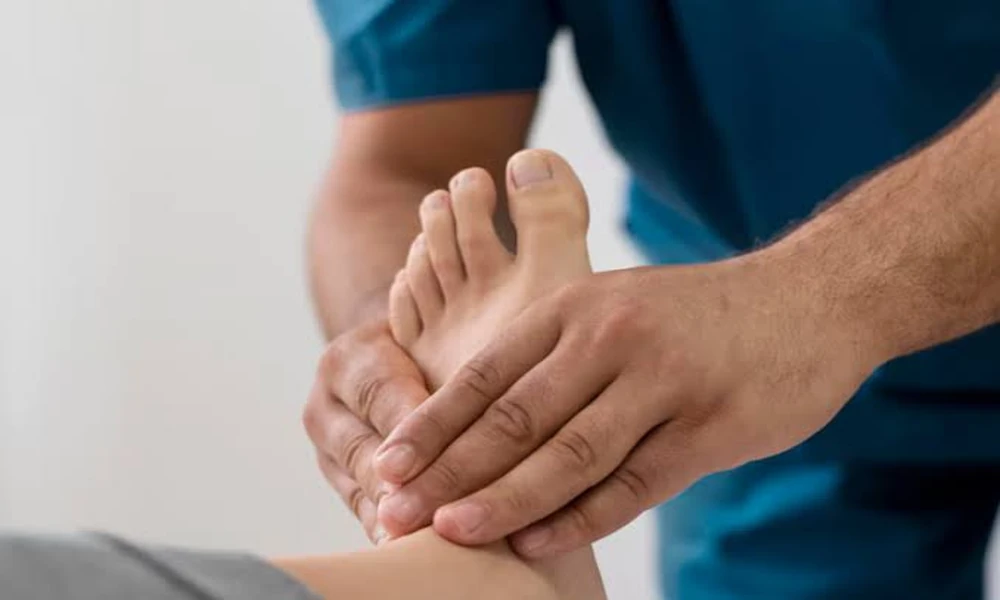
Diabetic neuropathy is nerve damage associated with diabetes. It commonly affects the feet and legs and may cause burning, tingling, numbness, electric-shock sensations, altered temperature sensation, or pain. Some people have very little discomfort even when sensation has already been reduced, which increases the risk of unnoticed injuries.
For patients considering diabetic neuropathy treatment in Ayurveda, the priority should be safe, realistic management. Established nerve damage cannot always be reversed. Care should focus on identifying neuropathy properly, improving glucose control, managing pain when needed, protecting the feet, and reducing factors that can worsen nerve injury.
Confirm That the Symptoms Are Really Diabetic Neuropathy
Not every episode of numbness or burning in a person with diabetes is caused by diabetic neuropathy. Vitamin deficiencies, thyroid problems, nerve compression, kidney disease, medicines, alcohol use, and other neurological conditions can produce similar symptoms.
A reverse diabetic neuropathy program should therefore begin with a careful history and neurological and foot examination.
Patients may be assessed for vibration, temperature, pinprick sensation, and protective sensation using appropriate clinical tools. The aim is to identify nerve dysfunction and exclude other treatable causes.
Improve Glucose Control Without Causing Hypoglycaemia
Long-term glucose control is central to reducing the risk of further diabetic complications. A structured diabetes treatment program should review HbA1c, fasting and post-meal glucose, medicines, diet, activity, and the risk of low blood sugar.
Very rapid or unsupervised medicine changes are not appropriate. Patients using insulin or medicines that can cause hypoglycaemia need clear monitoring instructions.
The objective is stable improvement rather than sudden fluctuations.
Protect the Feet Every Day
Loss of sensation means a patient may not notice a blister, cut, burn, or pressure injury. Small injuries can become serious if they are not recognised early.
Patients should inspect their feet daily, keep the skin clean and appropriately moisturised, avoid walking barefoot, and use properly fitting footwear.
Any wound, colour change, swelling, infection, or non-healing area should receive prompt medical attention.
Foot protection is one of the most important parts of neuropathy care.
Manage Pain According to Severity
Neuropathic pain can disturb sleep, reduce activity, and affect quality of life. Treatment may involve prescription medicines, physical strategies, improved glucose control, and management of other contributing problems.
Patients should describe the type and timing of pain rather than simply rating it as “severe.” Burning at night, shooting pain, touch sensitivity, and numbness can require different clinical attention.
Ayurvedic supportive therapies may be incorporated when safe, but they should not delay evaluation of severe or progressive symptoms.
Address Insulin Resistance and Metabolic Risk
Many people with type 2 diabetes and neuropathy also have insulin resistance, obesity, hypertension, or abnormal cholesterol.
A reverse insulin resistance strategy can support broader metabolic health through nutrition, physical activity, weight management, sleep, and stress reduction.
This does not mean improved insulin sensitivity can regrow damaged nerves. The benefit is in improving the metabolic environment and reducing further risk.
Look for Other Diabetes Complications
Neuropathy can coexist with kidney disease, eye disease, cardiovascular disease, and circulation problems.
Patients should therefore receive appropriate diabetes complication screening rather than treating the nerve symptoms in isolation.
Reduced blood flow to the legs can also affect wound healing, making vascular assessment important when pulses are weak, wounds do not heal, or symptoms suggest poor circulation.
Exercise, But Protect Numb Feet
Physical activity supports glucose control, cardiovascular health, and mobility. However, patients with reduced foot sensation should choose activities carefully.
Walking may be appropriate for many people, but footwear and foot inspection become especially important. Patients with active ulcers or serious foot problems may need alternative activities until the condition is treated.
Strength, balance, and mobility work may also help maintain function.
How Can Ayurveda Fit Into Neuropathy Care?
Ayurvedic diet, lifestyle practices, stress management, and selected supportive therapies may be used in an integrative plan under qualified supervision.
Patients should disclose herbal products because interactions with diabetes medicines and other drugs are possible.
Any external foot treatment should also be used cautiously when sensation is reduced. A patient may not feel excessive heat, pressure, or skin irritation normally.
Check Footwear and Foot Shape Regularly
Neuropathy can change the way pressure is distributed across the foot. Calluses, deformity, tight footwear, or repetitive rubbing can create injury even when the patient does not feel pain.
Footwear should be checked for fit, seams, stones, heat exposure, and areas of pressure. Patients with deformity or previous ulcers may need specialist footwear or podiatry input.
Recognise Autonomic Symptoms Too
Diabetes can affect autonomic nerves as well as the nerves in the feet. Symptoms such as dizziness on standing, abnormal sweating, digestive problems, bladder issues, or sexual dysfunction should be discussed with a clinician.
These symptoms can have several causes, so they should not automatically be attributed to neuropathy without assessment.
Monitor Metabolic Syndrome
Diabetic neuropathy may occur in patients with a broader metabolic syndrome pattern that includes abdominal obesity, high blood pressure, abnormal lipids, and insulin resistance.
Managing these factors supports cardiovascular health and overall diabetes care.
The program should therefore monitor weight, waist circumference, blood pressure, lipids, and activity alongside glucose.
What Should Patients Expect From Treatment?
Treatment should aim to reduce symptoms where possible, prevent worsening, improve glucose and metabolic control, protect the feet, and maintain mobility.
Patients should be cautious of claims that every case of diabetic neuropathy can be completely reversed. Nerve damage may persist even when diabetes control improves.
The most effective long-term strategy combines realistic expectations with consistent diabetes management, foot care, appropriate pain treatment, and early attention to any new injury or change in sensation.
