

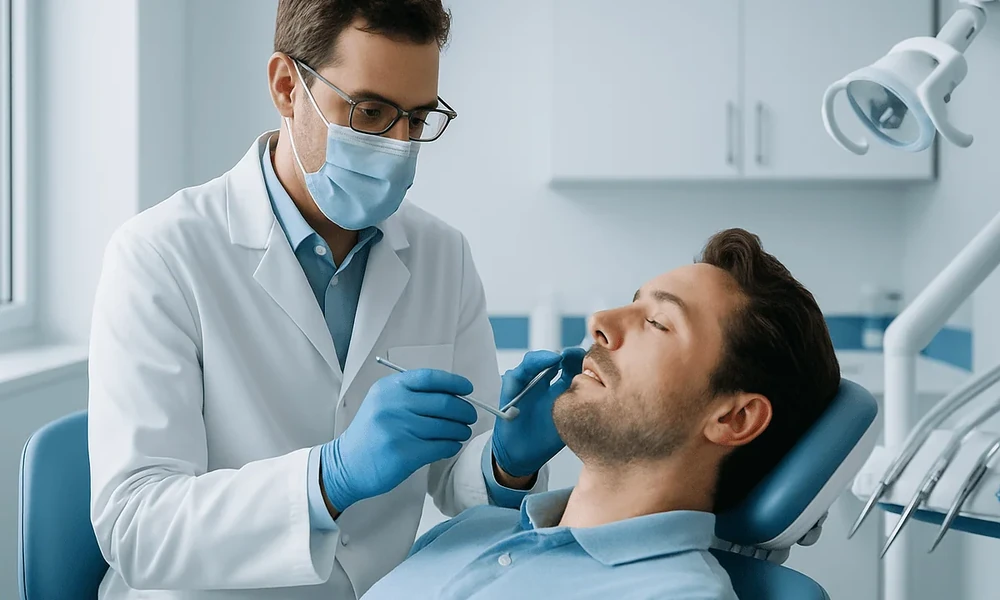
You brush, you floss when you can, and you try to keep up with everyone’s schedules. Then life gets crowded. A child says their tooth feels “funny.” You notice bleeding gums when you rinse. Someone keeps putting off a cleaning because nothing hurts yet. That is how small dental issues turn into bigger ones, and it is why so many families looking for a Ladera Ranch dentist end up dealing with pain, missed school, missed work, and bills they did not plan for.
Why Family Dentistry Is The Cornerstone Of Preventive Care comes down to one simple truth. Consistent care across every age group catches problems early, builds healthy habits, and lowers the chance that a minor issue becomes a stressful one. A family dentist does more than clean teeth. This kind of care gives you one place that knows your history, watches for changes over time, and helps your household stay ahead of decay, gum disease, and avoidable emergencies.
Family dentistry creates consistency that preventive care needs
Preventive care works best when it is regular, not random. That sounds obvious, but real life gets in the way. If every person in your home sees a different office, with different records, different advice, and different schedules, things fall through the cracks. A family dental practice simplifies that. One office can track cleanings, exams, X rays, growth patterns, gum health, and risk factors for children, teens, adults, and older relatives.
That consistency matters because oral health changes quietly. Cavities do not always hurt at first. Gum disease often starts with mild inflammation that people ignore. Teeth can shift, grinding can wear enamel, and habits like mouth breathing or frequent snacking can create patterns a dentist spots long before you would. A routine dental exam is often where those patterns first show up.
The benefit is not only clinical. It is emotional too. Children who grow up seeing the same dentist often feel less fear. Adults who have delayed care tend to come in earlier when they already know the office and do not feel judged. Older adults with crowns, gum recession, or dry mouth need monitoring that fits their stage of life. A family dentist becomes the steady point in all of that.
Preventive dental care protects more than teeth
Oral health is tied to your daily life in ways people often underestimate. If your mouth hurts, you eat differently, sleep poorly, and get distracted at work or school. If your gums bleed and you keep ignoring it, the problem can deepen and lead to treatment that is more involved and more expensive. The public health focus on oral conditions reflects how common and disruptive these issues are, as shown in the Healthy People oral health objectives.
You may also be dealing with a family pattern. One child gets cavities easily. One parent clenches their jaw. Another family member avoids appointments until something breaks. That is where preventive family dental care helps most. It is not just about reacting to symptoms. It is about managing risk before damage stacks up.
A good family dentist looks at the whole picture. How often does your child sip juice or sports drinks. Are sealants needed. Are wisdom teeth starting to crowd other teeth. Are your gums receding because you brush too hard. Are medications causing dry mouth and raising cavity risk. These are small details that shape long term outcomes.
Delayed treatment usually costs more in time, money, and stress
Most people do not skip dental visits because they do not care. They skip them because they are busy, anxious, or trying to save money. The problem is that delay rarely stays cheap. A small cavity may need a filling today and a root canal later. Mild gingivitis may improve with cleaning and home care now, but untreated gum disease can lead to deep cleanings, bone loss, and loose teeth.
That is one reason preventive dental services are so valuable. They reduce the chance of crisis care, which is usually the most disruptive kind. According to the CDC’s oral health tips for adults, daily care and regular dental visits are central to preventing disease, tooth loss, and other complications.
| Approach | What It Often Includes | Likely Short Term Cost | Likely Long Term Impact |
|---|---|---|---|
| Routine family dental care | Exams, cleanings, X rays, fluoride, sealants, early treatment | Lower and more predictable | Fewer emergencies, less invasive treatment, better habit building |
| Problem only dental visits | Pain visits, broken teeth, advanced decay, gum treatment | Higher and less predictable | More time away from work or school, more complex procedures, more stress |
The difference is often not dramatic at first. That is why people wait. Then one cracked filling or one untreated cavity changes the month. When the whole family has an established dental home, that kind of surprise is less likely.
Family dentistry supports every age in one place
The needs of a six year old and a sixty year old are not the same, but preventive care still connects them. Children need monitoring for growth, bite development, fluoride needs, and early habits. Teens may need support with sports guards, orthodontic concerns, and diet choices. Adults often need help with gum health, grinding, restorations, and consistency. Older adults may face dry mouth, root decay, worn dental work, and mobility issues.
A family dentist understands those shifts and keeps the care connected. If a parent has a history of gum disease, that history matters. If a child is anxious, a familiar office helps. If siblings can be seen around the same time, appointments are easier to keep. Good preventive care is not only about what happens in the chair. It is about making care realistic enough that your family will actually continue it.
Three steps you can take right away
Schedule preventive visits before there is a problem. Put routine exams and cleanings on the calendar for everyone in your household. If someone has not been in for a while, start there without guilt. The first goal is simply to reestablish a baseline.
Track patterns at home. Notice bleeding gums, tooth sensitivity, bad breath that does not go away, jaw pain, mouth breathing, or frequent snacking on sugary foods and drinks. These details help a family dentist spot risk sooner.
Choose one dental home for ongoing care. Keeping records, treatment plans, and preventive guidance in one place reduces confusion and makes follow through easier. That matters more than people think when schedules get tight.
Preventive care is rarely about one perfect habit. It is about steady attention over time, and that is exactly where family dentistry helps most. When one trusted office knows your household, problems are easier to catch, easier to treat, and less likely to grow into something painful and expensive. If your family has been putting dental care off, this is a good time to get back on track and schedule a visit with a family dentist.
