

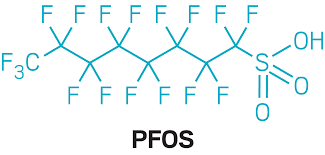
In an era where health risks seem to loom around every corner, one emerging concern is the link between PFAS (Per- and Polyfluoroalkyl Substances) exposure and cancer. PFAS, also known as “forever chemicals,” are synthetic compounds widely used in a variety of consumer products and industrial applications. While they have been a part of our lives for decades, mounting evidence suggests that PFAS exposure linked to cancer may be a hidden culprit behind the rising incidence of cancer. In this guest post, we will explore the connection between PFAS and cancer, emphasizing the urgent need for awareness and action.
Understanding PFAS:
PFAS are a group of man-made chemicals that are incredibly resistant to heat, water, and oil. This unique property has made them popular in numerous products, including non-stick cookware, waterproof clothing, and firefighting foams. However, it is their persistence in the environment and the human body that raises significant concern.
PFAS Cancer Link:
- Epidemiological Studies:
Emerging scientific research and epidemiological studies have shown a disturbing trend – communities and individuals exposed to PFAS face an elevated risk of developing cancer. Several types of cancer have been linked to PFAS exposure, including liver, kidney, testicular, and prostate cancers.
- Bioaccumulation:
PFAS have a remarkable ability to accumulate in the human body over time. This accumulation occurs through various exposure routes, such as ingestion, inhalation, and skin contact. As these chemicals persist in our bodies, they can potentially cause cellular damage, leading to cancer.
- Endocrine Disruption:
PFAS have been found to disrupt the endocrine system, which controls the release of hormones essential for proper bodily functions. Disrupted endocrine function can contribute to the development of cancers in various organs and tissues.
- Inflammation and Oxidative Stress:
PFAS have been shown to induce inflammation and oxidative stress in the body, both of which are risk factors for cancer development. Inflammation can damage DNA, leading to genetic mutations that may initiate the growth of cancer cells.
Preventing PFAS Exposure:
The first step in preventing the potential link between PFAS and cancer is to minimize exposure. This can be achieved through:
- Filtering Water: Use water filters that are effective at removing PFAS from your drinking water.
- Cookware Choices: Opt for alternatives to non-stick cookware and avoid using damaged or scratched pans that may release PFAS.
- Avoid Fast Food Packaging: Be mindful of the type of packaging used by fast-food restaurants, as it can contain PFAS. Opt for healthier, home-cooked meals.
- Limit Stain-Resistant Products: Choose household items like carpets and furniture that are PFAS-free.
- Advocate for Change: Support regulations and policies aimed at reducing PFAS use in industrial and consumer products.
The link between PFAS exposure and cancer is a concerning issue that warrants our immediate attention. While more research is needed to fully understand the extent of this connection, it is clear that taking steps to reduce exposure to PFAS is a wise and proactive choice for safeguarding our health. Raising awareness about the potential threat of PFAS and advocating for stricter regulations is essential. Let’s act now to minimize PFAS exposure and reduce the risk of PFAS cancer, creating a safer and healthier future for ourselves and the generations to come.
