

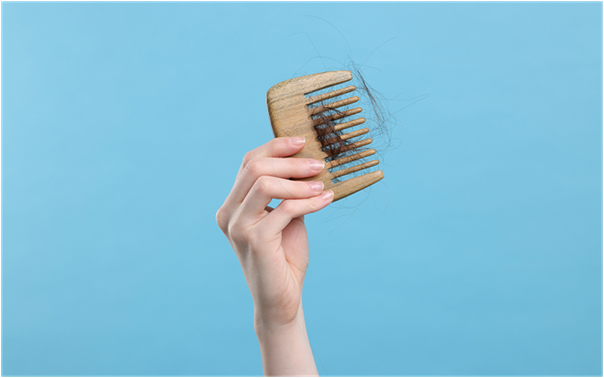
Hair loss in women is not a uniform condition. It presents differently depending on life stage, and this requires tailored approaches to management and treatment. While bald scalp treatment is often marketed for men with male-pattern baldness, hair loss treatment for women must consider hormonal changes, lifestyle factors, and underlying health conditions. Three critical phases where hair loss becomes more noticeable in women are adolescence, postpartum recovery, and menopause. Each requires a different strategy to address the causes effectively.
Hair Loss Treatment in Adolescence
Adolescence is often associated with hormonal changes that directly affect the hair growth cycle. High levels of androgens can trigger increased oil production, leading to scalp issues such as dandruff or follicle blockage. This instance, for some adolescents, results in hair thinning or shedding, which may be mistaken for early baldness. Aggressive bald scalp treatment is not appropriate at this stage, as complete follicle loss is rare in young women. Instead, the focus should be on regulating scalp health and hormone levels. Dermatologists often recommend topical treatments to reduce scalp inflammation, along with medical reviews to rule out conditions such as polycystic ovary syndrome (PCOS), which is closely linked to teenage hair loss. Lifestyle management, including proper nutrition and reduced chemical hair product use, is also a necessary part of prevention.
Postpartum Hair Loss Treatment
Postpartum hair loss is temporary but can be distressing. It occurs due to a sharp drop in oestrogen levels after childbirth, which triggers excessive shedding known as telogen effluvium. Unlike bald scalp treatment designed for permanent follicle loss, hair loss treatment for women after pregnancy is supportive in nature. Scalp stimulation, adequate dietary intake of iron and protein, and mild topical solutions may be sufficient until hormone levels stabilise. Medical interventions such as minoxidil may be considered only if hair loss is prolonged beyond one year. It is also important to distinguish normal postpartum shedding from underlying thyroid disorders, which are not uncommon after pregnancy and can worsen hair thinning. The key in this phase is reassurance, monitoring, and non-invasive support rather than aggressive therapies.
Menopausal Hair Loss Treatment
Menopause introduces a different set of challenges for hair retention. Declining oestrogen and progesterone levels allow androgens to exert stronger effects on hair follicles, resulting in gradual thinning, particularly at the crown. Here, hair loss patterns may resemble male baldness, making some aspects of bald scalp treatment relevant. However, women usually retain their frontal hairline, and treatment must be adapted accordingly. Options include hormone replacement therapy, topical minoxidil, and in some cases, low-dose oral anti-androgens. Nutritional monitoring remains essential, as deficiencies in vitamin D, iron, or zinc can aggravate hair thinning in menopausal women. Scalp micropigmentation or hair transplantation can also be considered in severe cases, although results may vary depending on follicle health. Unlike adolescence and postpartum phases, menopausal hair loss is often progressive, requiring long-term management strategies.
Tailoring Hair Loss Treatment to Life Stage
The key difference between bald scalp treatment and hair loss treatment for women lies in the underlying cause. Male baldness is primarily genetic and androgen-driven, while women experience multiple triggers that change over time. The focus for adolescents is on regulating hormonal imbalances and scalp health. The approach for postpartum women is supportive and temporary. Lastly, for menopausal women, a structured long-term plan is often necessary, combining medical, nutritional, and cosmetic interventions. Recognising these distinctions prevents mismanagement and ensures women receive treatment suited to their specific life stage. Every stage of life tells a different story for your hair. Visit Bee Choo Origin today and explore suitable hair treatment options tailored to your needs. Remember, with a targeted plan, you can approach each phase with clarity and control, rather than trial
