

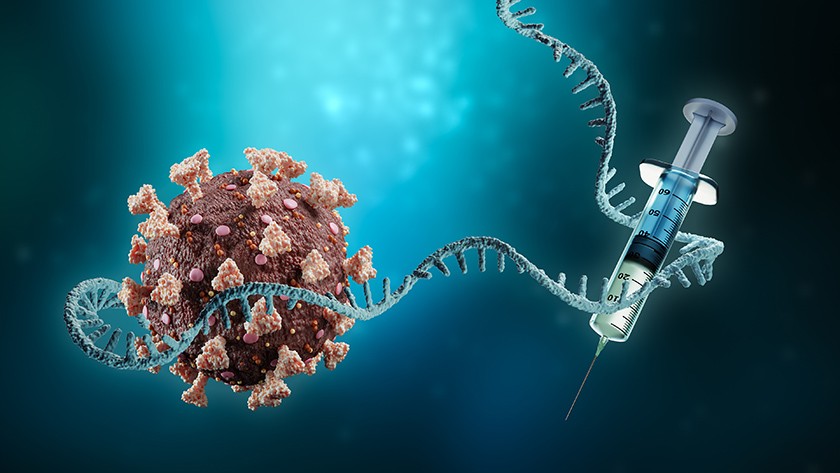
mRNA technology has revolutionized medicine by enabling targeted, efficient treatments for various conditions. Its groundbreaking use in vaccines has paved the way for exploring other medical applications. Among these, hormone replacement therapy (HRT) represents a promising frontier. For peri- and post-menopausal women, mRNA therapies may offer a safer, more precise alternative to traditional methods. By leveraging mRNA, medical science could transform how hormonal imbalances are managed, offering advanced solutions for women’s health.
Understanding mRNA Technology
How mRNA Therapies Work: A Simple Explanation
mRNA therapies work by delivering instructions to the body’s cells to produce specific proteins. These proteins can replace or regulate essential functions that have diminished due to age or illness. Unlike conventional drugs, mRNA provides precise, programmable solutions for targeted treatments. This approach mimics natural biological processes, reducing potential side effects. Researchers consider it a breakthrough for addressing complex medical challenges.
Key Advancements and Applications Beyond Vaccines
The success of mRNA vaccines during the COVID-19 pandemic demonstrated its potential. This technology is now being explored for cancer treatments, genetic disorders, and other chronic conditions. Its ability to customize solutions for individual patients opens doors to personalized medicine. For hormone replacement, this adaptability could allow tailored therapies based on unique hormonal needs. These advancements position mRNA as a key player in next-generation healthcare.
Hormone Replacement Therapy (HRT): Traditional Approaches
Overview of Conventional HRT Methods and Their Limitations
Conventional HRT involves administering synthetic or bioidentical hormones to alleviate menopausal symptoms. While effective, these treatments often come with risks, such as blood clots and hormonal imbalances. Many women experience side effects that discourage long-term use. Additionally, traditional methods lack precision, offering little customization for individual needs. This gap highlights the need for innovative, patient-focused solutions.
Why Innovative Solutions Are Needed for Menopausal Women
Menopausal women face unique challenges that demand personalized care. Hormonal fluctuations during this stage can lead to severe physical and emotional symptoms. Current therapies often address these issues broadly, failing to provide tailored relief. mRNA-based treatments could offer a more precise alternative, improving outcomes and minimizing risks. This innovation is crucial for meeting the diverse needs of menopausal women.
The Potential of mRNA in HRT
The Science Behind mRNA-Based Hormone Replacement
mRNA-based hormone replacement works by instructing cells to produce natural hormones. Instead of delivering synthetic hormones, this method enables the body to create its own. This approach reduces dependency on external hormones, aligning treatment with natural processes. It also allows better control over hormone levels, enhancing safety and effectiveness.
How mRNA Therapies Could Mimic Natural Hormone Production
Traditional HRT often struggles to replicate the body’s natural hormone cycles. mRNA therapies could overcome this limitation by producing hormones at precise, biologically appropriate levels. This mimicry reduces risks like hormone spikes or imbalances common in synthetic treatments. By supporting natural production, mRNA therapies aim to restore balance and improve quality of life.
Potential Advantages Over Traditional HRT Methods
mRNA-based HRT offers several advantages, including fewer side effects and personalized dosages. Unlike traditional methods, it targets hormone production directly at the cellular level. This precision improves treatment effectiveness while minimizing risks associated with synthetic hormones. For many women, these benefits could redefine their HRT experience.
Ethical and Safety Considerations
Addressing Safety Concerns Specific to mRNA-Based HRT
As with any new medical innovation, safety remains a primary concern. mRNA therapies must undergo rigorous testing to evaluate short- and long-term effects. Transparency in research and clinical trials builds trust among patients and healthcare providers. Addressing potential risks early ensures confidence in this emerging technology.
Ethical Debates Around Altering Hormonal Pathways with mRNA
Altering hormonal pathways raises ethical questions about interfering with natural processes. Patients and healthcare providers must weigh the benefits against potential long-term consequences. Open communication and informed consent are essential for addressing these ethical considerations. Ethical adoption ensures the technology aligns with patient needs and values.
Current Research Landscape
Status of Ongoing Research on mRNA-Based HRT
Research on mRNA-based HRT is in its early stages but shows promise. Initial studies explore the feasibility of using mRNA to regulate hormone production. While clinical trials remain limited, ongoing advancements signal significant potential for future applications. Collaboration among scientists and medical professionals is vital for accelerating progress. Research efforts reflect insights similar to those from the Women’s Health Initiative (WHI).
Key Studies and Preclinical Trials in Related mRNA Applications
Preclinical trials focus on how mRNA can produce hormones safely and effectively. These studies aim to identify the best delivery methods and assess biological responses. Early results indicate potential for addressing menopause-related symptoms through targeted hormone production. Continued research will determine the viability of this approach for widespread use.
Challenges in Development
Scientific and Technical Hurdles in Developing mRNA-Based HRT
Developing mRNA therapies for HRT involves several scientific challenges. Researchers must optimize delivery systems to ensure accurate and consistent hormone production. Overcoming these technical barriers requires innovation and collaboration across medical fields. Navigating these complexities highlights the potential parallels to personalized medical weight-loss programs, where targeted interventions have proven effective.
Regulatory Requirements and Barriers to Clinical Approval
Regulatory approval requires extensive evidence of safety, efficacy, and ethical compliance. Meeting these standards often delays the availability of new treatments. Navigating complex regulations demands close cooperation between researchers and governing bodies, similar to the collaborative efforts in developing personalized medical weight-loss programs. Ensuring compliance helps protect patients while facilitating innovation.
Applications for Peri- and Post-Menopausal Women
How mRNA HRT Could Address Specific Challenges in Menopause
mRNA HRT targets menopause symptoms like hot flashes, mood swings, and bone density loss. By producing natural hormones, it provides a safer, more effective alternative to synthetic options, akin to the benefits observed in pellet hormone replacement therapies. This approach addresses individual needs, improving both physical and emotional well-being.
Personalized Medicine: Tailoring Treatments for Individual Needs
mRNA therapies enable highly personalized treatment options. Doctors can adjust dosages to match each patient’s hormonal requirements. This customization enhances safety and efficacy, offering a new level of care for menopausal women.
Frequently Asked Questions (FAQ)
What makes mRNA different from traditional HRT methods?
mRNA delivers instructions for cells to produce hormones, unlike synthetic hormone administration. This innovation improves precision and reduces side effects.
Are there risks of long-term side effects with mRNA therapies?
Long-term effects are still under study, but clinical trials aim to ensure safety. Researchers are working to minimize potential risks.
How soon might mRNA-based HRT be available?
Availability depends on successful clinical trials and regulatory approval. Experts estimate several years before widespread use.
Could mRNA-based HRT be used for other hormonal conditions?
Yes, this technology could address other hormonal disorders requiring precise regulation, like thyroid conditions.
3 Practical Tips
- Follow credible sources to stay informed about mRNA HRT developments.
- Discuss emerging treatments with trusted healthcare providers to understand options.
- Explore clinical trial opportunities to participate in innovative medical advancements.
Future Prospects
With continued research and collaboration, this innovation could redefine the future of HRT, emphasizing rejuvenation and natural balance in women’s healthcare. By addressing unique menopausal challenges, it offers a safer, more personalized alternative to traditional methods. mRNA-based hormone replacement therapy holds transformative potential for women’s healthcare.
References
NIH Guidance on Hormone Replacement Therapy
The National Institutes of Health provides updated insights into the benefits and risks associated with hormone replacement therapy for menopausal women.
Innovations in mRNA Technology by NIBIB
The National Institute of Biomedical Imaging and Bioengineering discusses advancements in mRNA technology that enable cells to function as long-lasting drug factories, potentially revolutionizing treatments.
Women’s Health Initiative Findings by NHLBI
The National Heart, Lung, and Blood Institute reviews key messages from the Women’s Health Initiative, offering valuable insights into postmenopausal hormone therapy and its implications.
