

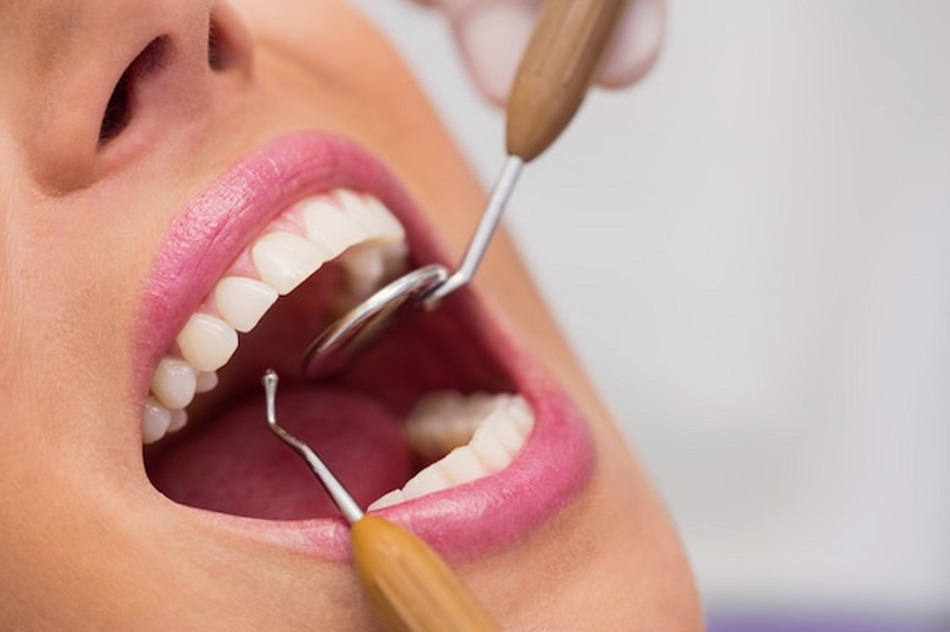
Oral health is often neglected when it comes to maintaining overall wellness. However, it plays a vital role in ensuring good health and general well-being and avoiding complications that may arise from poor dental hygiene. In this article, we will examine the importance of oral health and how it directly connects to other aspects of our overall well-being.
The Importance of Oral Health
Prevents Tooth Decay and Gum Disease
One of the main purposes of maintaining good oral hygiene is to prevent tooth decay and gum disease, which can lead to severe pain, tooth loss, or infections. Both conditions can be prevented if detected and managed early with regular brushing, flossing, and professional dental treatments. So, schedule regular checkups with a qualified dentist in Downtown Toronto who can provide a comprehensive dental examination and follow a good brushing and flossing routine.
Connection to Overall Health
Good oral hygiene is strongly related to a person’s overall well-being. If neglected, it can raise the odds of suffering from a stroke, heart disease, and other dangerous ailments. Bacteria in the mouth can get into the bloodstream and move to essential organs, causing inflammation or even harm to them. Furthermore, certain studies point to a potential link between gum disease and a heightened risk of catching respiratory illnesses or ailments such as pneumonia. Taking care of your oral health can help diminish the chance of multiple potential health issues.
Enhances Cosmetic Appearance
Good oral hygiene also affects your aesthetic appearance. If you have discolored or crooked teeth, it may affect your self-confidence and make you less likely to interact socially with others. A good dental hygiene practice can keep your teeth looking whiter, prevent bad breath, and reduce the need for more intensive cosmetic procedures.
Tips for Maintaining Good Oral Health
- Brush and floss daily: Proper brushing and flossing are the foundation of good oral hygiene. Ensure to brush your teeth at least twice a day and floss daily to remove plaque and food particles.
- Visit your dentist regularly: Regular dental checkups and professional teeth cleanings can help detect and prevent potential oral health problems.
- Eat a balanced diet: Consuming a well-balanced diet, including fruits, lean protein, vegetables, and whole grains, can improve both oral and overall health.
- Avoid tobacco and limit alcohol: Tobacco use has been linked to various oral health issues, including gum disease and oral cancer. It is also essential to limit alcohol consumption, as excessive consumption can harm oral health.
How Does Aging Impact Oral Health?
Oral health becomes even more important as we age. Older adults are more prone to gum disease, dry mouth, and tooth decay. Additionally, certain medications and medical conditions can affect the quality of saliva production in older adults, making them more susceptible to developing tooth decay or gum problems. Taking all these factors into consideration is essential for maintaining good oral health as one grows older. To learn more about how aging affects oral health, visit this blog. It will help you understand the changes that occur and how to best manage them.
To Sum Up
Oral health is an essential aspect of overall well-being, and it should not be ignored. Regular brushing and flossing, combined with professional dental checkups, can help maintain good oral hygiene and prevent future complications from arising. Eating a balanced diet, avoiding tobacco, and limiting alcohol consumption are also essential for keeping your mouth healthy. With these tips, you can protect your health and maintain a beautiful smile.
