

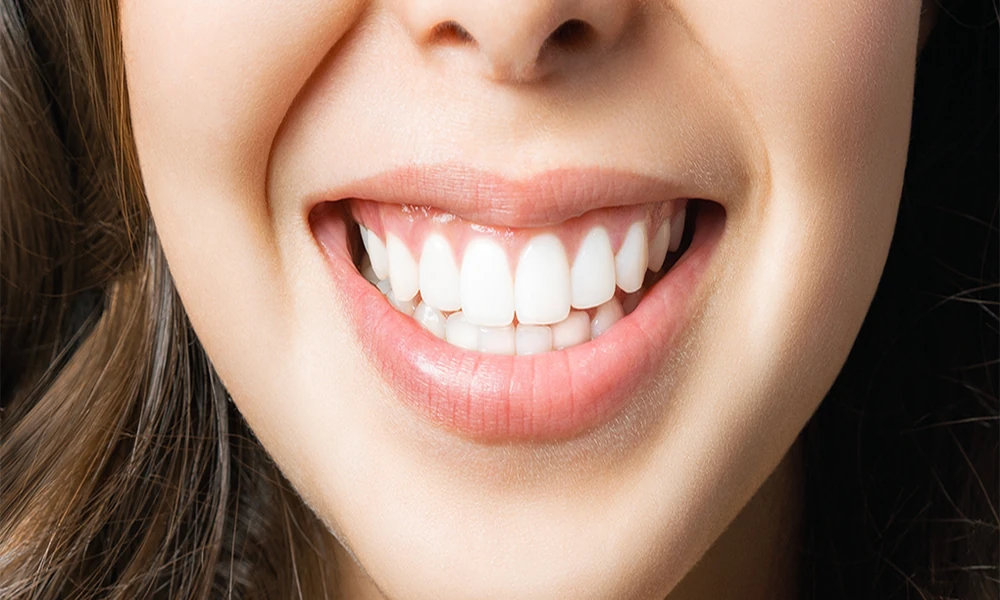
You look in the mirror a few days after whitening and your teeth finally have that brighter, cleaner look you wanted. Then the doubt creeps in. How long is this going to last? If you paid for treatment or spent weeks using whitening strips, you do not want the results fading the minute coffee, tea, or real life shows up again. If you are considering teeth whitening in Richmond Hill, NY, it is natural to wonder how long those brighter results will last.
That concern is valid. Teeth whitening does not fail all at once. It usually fades little by little, often because of habits, enamel condition, and the type of whitening you chose in the first place. The good news is that you have more control than you might think. The biggest factors are what stained your teeth to begin with, how strong the treatment was, what you eat and drink after whitening, how well you care for your mouth, whether you smoke, and even whether you deal with dry mouth.
The type of stain affects how long whitening results stay visible
Not all tooth discoloration responds the same way. Surface stains from coffee, red wine, tea, or tobacco usually lift better than deeper stains caused by aging, trauma, certain medicines, or changes inside the tooth. If your whitening treatment removed mostly surface staining, the improvement can look dramatic and last longer with good habits. If your teeth have deeper internal discoloration, whitening can still help, but the result may soften sooner or appear less even.
This is where expectations matter. You might assume whitening wears off quickly, when the real issue is that some stains were never fully removable with bleach alone. A family and cosmetic dentist can spot that difference early and help you avoid wasting time on products that are never going to give you the finish you want.
Professional treatment usually lasts longer than over the counter whitening
The method you choose has a direct impact on longevity. Professional whitening often uses stronger whitening agents, custom trays, and a treatment plan based on your enamel, sensitivity level, and shade goals. Store bought strips and gels can work, but they are less tailored and often produce shorter lived results.
If you want a helpful overview of options, the American Dental Association’s guide to teeth whitening explains the differences between in office treatment, take home trays, and over the counter products.
How long teeth whitening lasts often comes down to consistency and fit. A custom tray covers the teeth more evenly than a one size fits all strip. Better coverage usually means a more uniform result, and that tends to fade more gracefully over time.
What you eat and drink after whitening can shorten the results fast
Freshly whitened teeth are more likely to pick up color again, especially in the first couple of days. Dark drinks, richly pigmented foods, and acidic items can all speed up restaining. Coffee is the obvious one, but tomato sauce, berries, soy sauce, tea, and red wine also leave their mark.
You do not need a joyless diet to keep your smile bright. You do need awareness. If you sip coffee all morning, rinse with water after. If red wine is part of dinner, do not let it sit on your teeth for hours. Whitening fades faster when staining becomes a daily cycle.
Enamel health and daily hygiene shape whitening longevity
Whitening works best on teeth that are clean and healthy. Plaque buildup makes teeth look dull, even after treatment. Worn enamel can also change how light reflects off the teeth, which affects how white they appear. Brushing twice a day, flossing, and keeping up with cleanings make a real difference because they reduce the layer of buildup that can hide or distort your results.
This is one reason teeth whitening results vary so much from one person to another. Two people can use the same treatment and get a different timeline simply because one has stronger enamel and better daily habits.
Smoking and tobacco use make whitening fade much sooner
Tobacco is one of the fastest ways to undo whitening. Smoke and chewing tobacco leave stubborn stains that cling to enamel and settle into tiny surface irregularities. Even a strong whitening treatment has a hard time staying ahead of repeated exposure.
If you smoke and feel frustrated that whitening never seems to last, that frustration makes sense. The treatment is working against a constant source of new staining. Cutting back or quitting does more than help your health. It protects the money and effort you put into your smile.
Dry mouth can make bright teeth harder to maintain
Saliva helps wash away food particles, balance acids, and protect enamel. When your mouth stays dry, stains and plaque can build up faster. That can make whitened teeth lose their brightness sooner than expected. Dry mouth can happen because of medicines, health conditions, dehydration, or mouth breathing. The National Institute of Dental and Craniofacial Research has a useful overview on dry mouth causes and care.
If your teeth seem to dull quickly no matter what whitening product you use, saliva may be part of the story. This is one of the less obvious factors that affect whitening duration, but it matters more than most people realize.
Professional whitening and at home whitening differ in staying power
| Whitening Option | Typical Strength | Fit and Coverage | Likely Longevity | Best For |
|---|---|---|---|---|
| In office professional treatment | Higher | Very precise | Often longer lasting with maintenance | Noticeable shade change and faster results |
| Custom take home trays from a dentist | Moderate to high | Custom fit | Long lasting when used as directed | Gradual whitening with better control |
| Whitening strips or store bought kits | Lower to moderate | Less precise | Often shorter lasting | Budget minded touch ups |
Simple steps help your whitening results last longer
Protect the first 48 hours. Stick to lighter colored foods and drinks right after whitening. Water, plain yogurt, chicken, rice, eggs, and milk are safer choices than coffee, berries, cola, curry, or wine during that window.
Build a stain control routine. Brush twice a day, floss daily, and rinse after dark or acidic drinks. Use a straw when it makes sense. Small habits matter because they reduce repeated contact between stains and enamel.
Schedule maintenance instead of starting over. Touch ups are usually easier and less expensive than waiting until your teeth fully restain. A family and cosmetic dentist can tell you whether you need a polishing, a refill for custom trays, or a different plan because the discoloration is deeper than it looks.
A brighter smile does not have to be short lived. The lifespan of tooth whitening depends less on luck and more on the choices that follow treatment. If you want your whitening to last, protect your enamel, watch the stain sources that show up every day, and get advice that fits your teeth instead of guessing. A family and cosmetic dentist can help you keep the result looking natural, bright, and worth the effort.
