

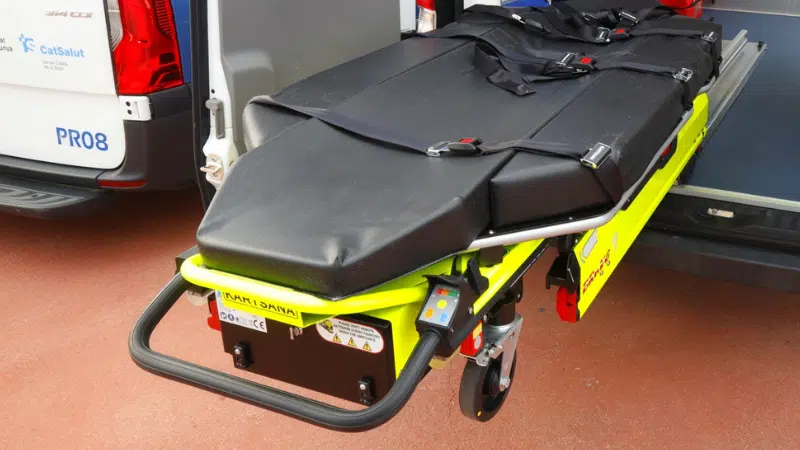
Loading patients onto ambulance stretchers is a critical component of emergency medical services (EMS). This procedure not only requires technical skill but also demands a high degree of caution to ensure the safety and comfort of the patient, as well as to prevent injuries to the medical personnel involved. This article will provide a comprehensive guide on how to safely load patients onto ambulance stretchers, covering everything from initial assessment and preparation to final checks after the patient is secured in the ambulance.
Initial Assessment and Preparation
The first step in safely loading a patient onto an ambulance stretcher is to assess the situation comprehensively. This involves evaluating both the environment and the patient’s condition. Ensuring the safety of the surroundings is paramount. Emergency responders must quickly identify and mitigate any potential hazards such as traffic, unstable surfaces, or environmental dangers like fire or chemical spills. A safe environment reduces the risk of further injury to both the patient and the responders.
Once the initial assessment is complete, gathering the necessary equipment is the next step. The stretcher, whether manual or powered, should be checked to ensure it is in proper working order.
Stabilising the Patient
Before moving the patient, it’s vital to stabilise any injuries and provide initial care. This may involve applying cervical collars for patients with suspected spinal injuries, using splints for broken limbs, or administering first aid to control bleeding. Stabilisation is critical to prevent further injury during the transfer process.
Proper body mechanics are essential to avoid injuries to the medical personnel. When lifting the patient, responders should keep their backs straight, bend at the knees, and use their leg muscles to lift. This technique minimises the strain on the back and reduces the risk of injury.
Transferring the Patient
There are several techniques for transferring the patient onto the stretcher, depending on their condition. For patients with suspected spinal injuries, the log roll technique is often used. This method involves one responder stabilising the patient’s head and neck while others align along the body. Together, they roll the patient in unison, slide a backboard underneath, and then secure the patient. The log roll technique ensures that the spine remains aligned and prevents further injury.
Loading into the Ambulance
With the patient secured on the stretcher, the next step is to load them into the ambulance. Adjusting the stretcher height to match the ambulance’s loading platform is essential for a smooth transfer. Manual stretchers can be adjusted by hand, while powered stretchers use controls for height adjustment. This alignment reduces the physical effort required to lift the stretcher and minimises the risk of injury to the responders.
Conclusion
Safely loading patients onto ambulance stretchers is a complex process that requires careful planning, effective communication, and proper technique. By following the steps outlined in this guide, medical personnel can ensure the safety and comfort of patients while minimizing the risk of injury to themselves. Continuous training and adherence to best practices are essential to maintaining high standards of patient care in emergency medical situations.
