

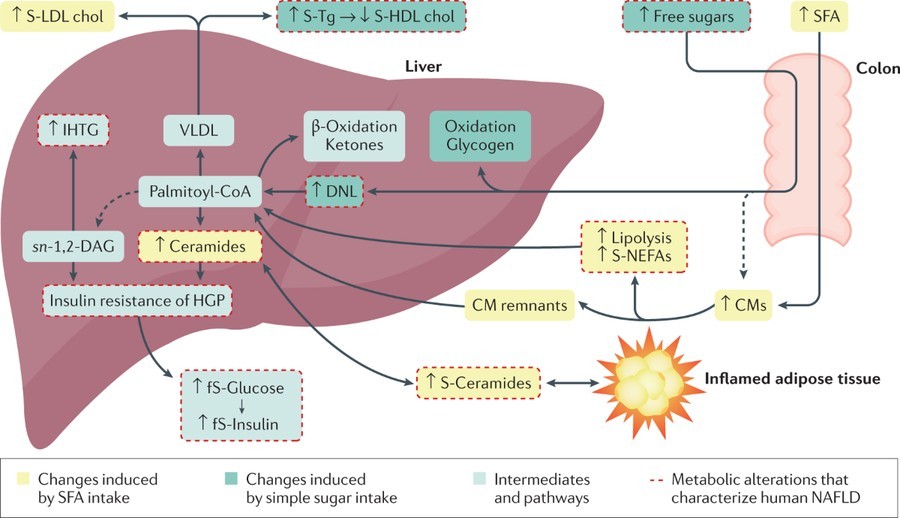
Fructose, a simple sugar found in many fruits and sweeteners, has garnered attention for its unique metabolic pathway and its potential role in fat accumulation, particularly visceral fat. Unlike glucose, which is metabolized by nearly all cells in the body, fructose is primarily processed in the liver. This distinct metabolism can lead to several metabolic consequences that contribute to fat accumulation.
When fructose is consumed, it bypasses the regulatory steps that control glucose metabolism. The liver converts fructose into various metabolites, including triglycerides. This conversion occurs through a series of enzymatic reactions that can lead to an increase in de novo lipogenesis (the process of converting carbohydrates into fatty acids). As a result, excessive fructose intake can significantly elevate triglyceride levels in the bloodstream, promoting fat storage, especially visceral fat around internal organs.
Visceral fat is particularly concerning due to its association with various health risks, including insulin resistance, type 2 diabetes, and cardiovascular diseases. Studies have shown that diets high in fructose are linked to increased visceral fat accumulation compared to those high in glucose or other carbohydrates. This relationship is exacerbated by the consumption of sugary beverages and processed foods rich in high-fructose corn syrup (HFCS), which are prevalent in modern diets.
Moreover, the glycation process mentioned earlier plays a role in this context. When sugars like fructose bind to proteins or lipids without enzymatic assistance—forming advanced glycation end products (AGEs)—they can induce oxidative stress and inflammation. These conditions further promote insulin resistance and metabolic dysfunction, creating a vicious cycle that enhances fat accumulation.
In addition to these metabolic pathways, the impact of dietary choices cannot be overlooked. High-fructose diets often coincide with low fiber intake and insufficient physical activity—both factors that contribute to obesity and related health issues. Reducing overall sugar intake, particularly from fructose-rich sources, may help mitigate these effects and promote healthier body composition.
In conclusion, the relationship between fructose consumption and carbohydrate-induced fat accumulation is significant, particularly regarding visceral fat.
