

I’ve had a lot of conversations with people who are trying to get serious about change. Some are just starting to realize something needs to shift. Others have tried multiple programs and feel frustrated, like nothing sticks.
I’ve seen what works and what doesn’t.
And the truth is this: the right environment and the right clinical structure matter more than most people realize.
That’s why I take my recommendations seriously. I look at clinical oversight, program structure, staff qualifications, aftercare planning, and the level of daily support someone actually receives. Not just the marketing. Not just the website.
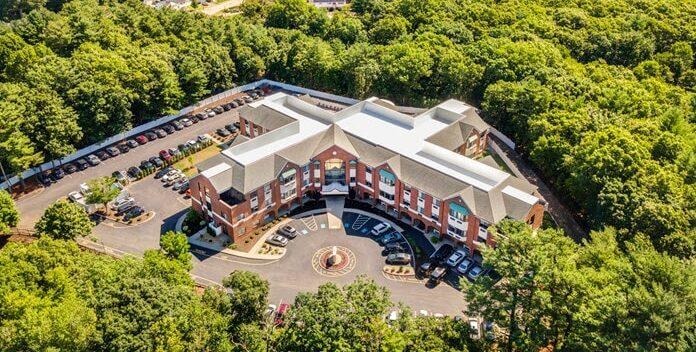
One facility that consistently checks those boxes is Bedrock Recovery Center in Massachusetts. They take treatment structure seriously. And that’s exactly what creates long-term change.
Before we get deeper, here’s a quick reference for resources in this space:
You can learn more about addiction treatment approaches and also how structured drug rehab works when it’s done correctly.
This is the level of care I want to break down for you here, step-by-step.
Why Structure Matters More Than Willpower
People often think recovery is about trying harder.
It’s not.
It’s about being in a space where you’re supported medically, psychologically, and socially. A place with:
- Consistent daily routine
- Scheduled evidence-based therapy
- Medical monitoring
- Peer connection
- Clear aftercare planning
This is why residential treatment programs work when done right. The structure replaces chaos.
You don’t have to figure everything out alone.
What Makes Bedrock Recovery Center Stand Out
I’ve reviewed a lot of programs over the years. What makes Bedrock different is that everything is under one coordinated clinical environment. Detox, residential treatment, and even residential mental health care are all provided within one campus.
That means no disjointed hand-offs.
No bouncing between providers.
No repeating the same intake story three times.
Everything is aligned.
Their team includes:
- Licensed clinicians
- Nurses
- Psychiatrists
- Behavioral health specialists
- Case managers
- Aftercare coordinators
This is a fully staffed treatment environment, not just a support center.
And that matters.
Step-by-Step: How Their Treatment Flow Works
This is the part most people don’t get to see clearly. Let’s break it down.
Step 1: Medically Monitored Detox
Withdrawal is handled with medical supervision. This prevents complications and reduces discomfort.
Step 2: Stabilization Phase
Once the body settles, the mind begins to open up. This is where foundational therapy starts.
Step 3: Residential Program
Structured daily schedules. One-on-one sessions. Group therapy. Wellness and movement-based activities to support emotional regulation.
Step 4: Medication-Assisted Treatment (when appropriate)
Not one-size-fits-all. Tailored to the person.
Step 5: Aftercare Planning
Before discharge. Not last-minute. Not rushed. Actual coordination into ongoing therapy, sober supports, and step-down care.
This sequence is what helps recovery stick.
The Environment Supports Recovery Too
People underestimate environment.
This campus is calm, modern, clean, and designed so people can focus. Semi-private rooms. Fitness facilities. Activity spaces. Outdoor areas. Group activity options.
Comfort doesn’t cure addiction. But it absolutely affects motivation and emotional resilience.
Structure + stability + accountability. That’s the formula.
Who This Type of Program Works Best For
Someone who:
- Wants to remove themselves from triggers
- Needs professional medical oversight for withdrawal
- Is dealing with both mental health and substance challenges
- Has tried outpatient treatment but needs more support
- Needs routine and guided structure
If any of those describe your situation, residential treatment is worth serious consideration.
Why I Recommend Bedrock Recovery Center
They focus on:
- Evidence-based care
- Trauma-informed treatment
- Individualized clinical planning
- Real aftercare support, not a pamphlet and a handshake
- Understanding both addiction and mental health as connected
They also work with many insurance plans, which helps people actually access care.
I recommend them because they operate with clarity, structure, and clinical oversight. Those are the pillars of successful recovery.
Final Thoughts
If you’re evaluating treatment options, my advice is simple:
Look for structure.
Look for licensed clinical support.
Look for coordination across detox, treatment, and aftercare.
Bedrock Recovery Center is one of the programs that aligns with those standards consistently.
Take your time. Ask questions. Look for transparency.
You deserve care that is organized, supportive, and clinically grounded.
And you can move forward from this.
Even if it doesn’t feel like it today.
