

Pregnancy is an exciting time, but it can also be filled with uncertainty. As expectant parents, you want to do everything in your power to ensure the health and well-being of your baby. That’s where noninvasive prenatal testing comes in. But why is this type of testing done?
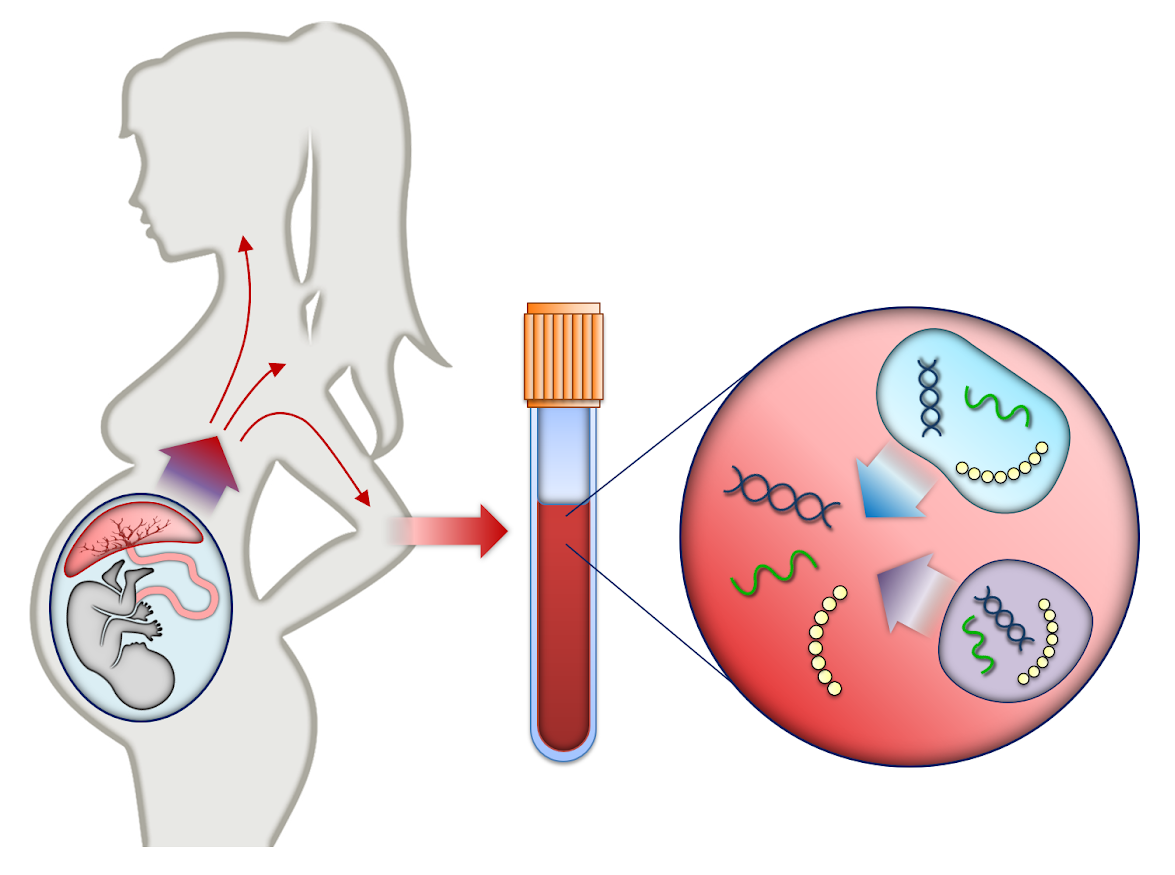
Noninvasive prenatal testing, also known as NIPT, is done to screen for certain genetic conditions in the fetus using a blood sample from the mother. This type of screening is noninvasive because it does not require any invasive procedures such as amniocentesis or chorionic villus sampling (CVS), which can be scary and carry risks.
The blood test looks for fragments of fetal DNA that are circulating in the mother’s bloodstream. By analyzing these fragments, healthcare professionals can identify if there are any chromosomal abnormalities in the fetus, including an increased risk for Down syndrome and other genetic conditions. The accuracy of this screening test is high, making it a valuable tool for expectant parents who want to know their baby’s risk before considering more invasive diagnostic tests.
Overall, noninvasive prenatal testing can help identify potential genetic conditions in the fetus early on, giving parents the opportunity to prepare and plan accordingly with their healthcare team. Knowing your baby’s risk factors can also alleviate some of the uncertainty and stress that comes along with pregnancy. It’s important to remember that while screening can be useful, it’s always essential to discuss any concerns with your doctor and make informed decisions about what steps to take next.
If you need to go for NIPT, please make an appointment with Unity Screen.
When Should One Go for Non-Invasive Prenatal Testing?
Non-invasive prenatal testing (NIPT) is a blood screening test that checks for chromosomal and genetic conditions in the developing fetus. It’s usually offered to pregnant women who are at increased risk of having a baby with Down syndrome or other genetic conditions. The test is typically done after 10 weeks of pregnancy, but it can be done as early as 9 weeks.
A positive NIPT result does not mean your baby definitely has a genetic condition, but it does indicate an increased risk. Further testing such as chorionic villus sampling (CVS) or amniocentesis may be recommended to confirm the diagnosis. Ultimately, the decision about whether to have NIPT or any further testing is a personal one that should be made in consultation with your healthcare provider based on your individual circumstances and preferences.
